Hernia Surgery Vienna

Hernia Surgery

As a specialist in hernia surgery (European Board Certified Surgeon for Abdominal Wall and Inguinal Hernia Operations – Fellow of the Board  of Surgery in Abdominal Wall Surgery FEBS – AWS), I guide you from the initial personal consultation in my private practice to post-operative care. My medical expertise primarily focuses on hernia surgery, with particular emphasis on minimizing defect recurrence rates and ensuring a long-term course free of complications.

Text

I establish the diagnosis through a comprehensive initial consultation and a subsequent physical examination. During this process, I specifically address your individual needs and plan a tailored therapeutic approach.

Als PatientIn profitieren Sie von den modernsten Operationsverfahren (DaVinci Xi System), dem Einsatz verbesserten Netzen zur Stabilisierung des Bruchs und meiner Erfahrung in über 3000 Hernienoperationen. Das Ziel meiner Behandlung ist die Wiederherstellung Ihrer Gesundheit und Sie bei der Erhaltung dieser so lange wie möglich zu unterstützen.

Text

Therapeutic Procedures for Various Hernia Types:

Image with Text

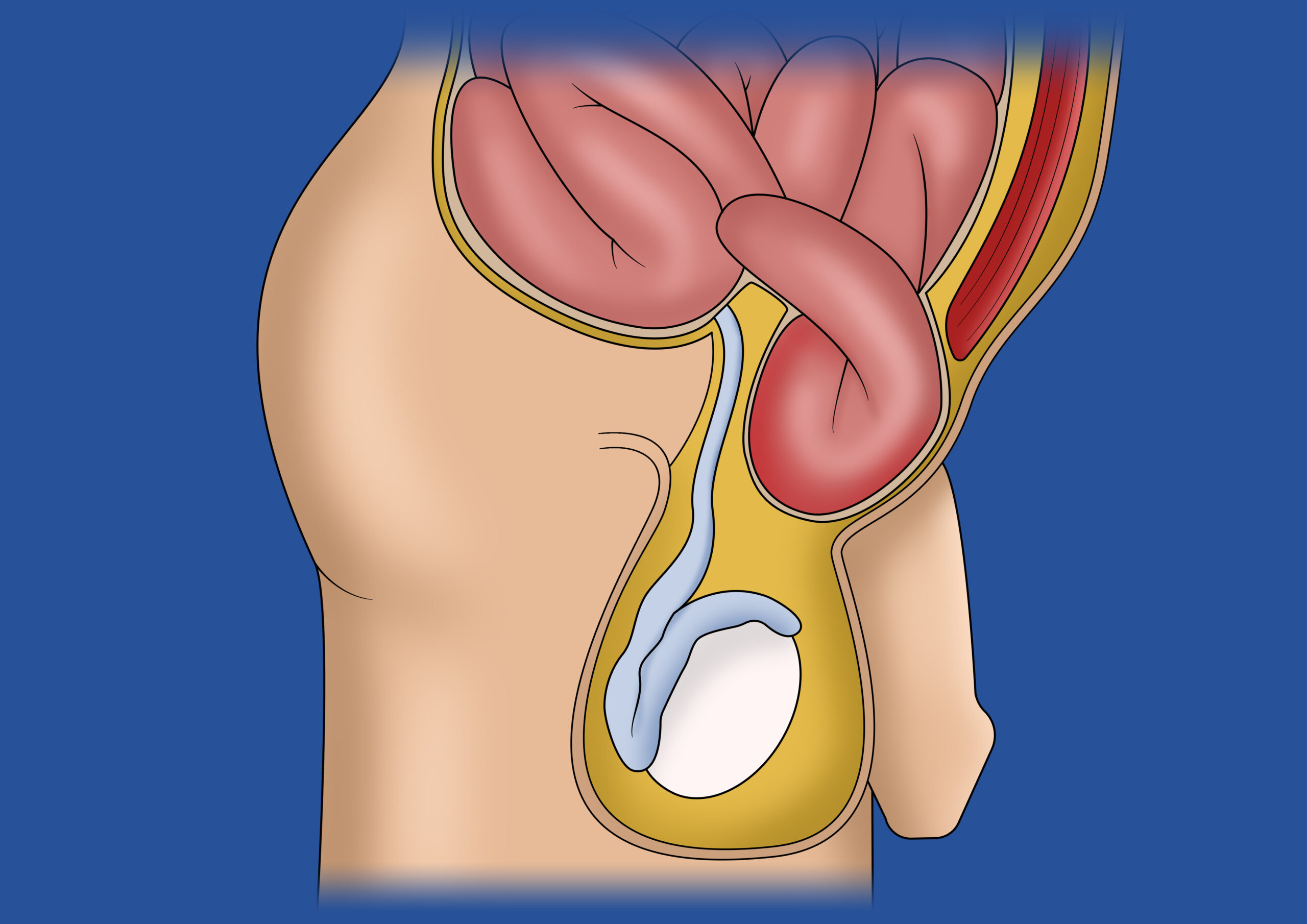
Inguinal Hernia

The most prominent sign of an inguinal hernia is a protrusion in the groin area. This occurs when portions of the intestine protrude through the inguinal canal. An inguinal hernia often manifests initially during strenuous physical exertion, such as lifting heavy objects or engaging in sports.

Two surgical procedures are available for the treatment of an inguinal hernia:

  • Transabdominal Preperitoneal Patch Technique – (r)TAPP (Operating time approx. 60 min)
    The TAPP technique is a minimally invasive surgical method – performed under general anesthesia, the hernia is repaired using camera-assisted or robotically-assisted techniques through very small skin incisions, and a synthetic mesh is inserted.
  • Lichtenstein Technique (Operating time approx. 60 min)
    With this method, a synthetic mesh is inserted through a skin incision in the groin area. This operation is typically performed under general anesthesia, though in some cases, spinal anesthesia may be utilized.
Inguinal Hernia Repair Vienna

Image with Text

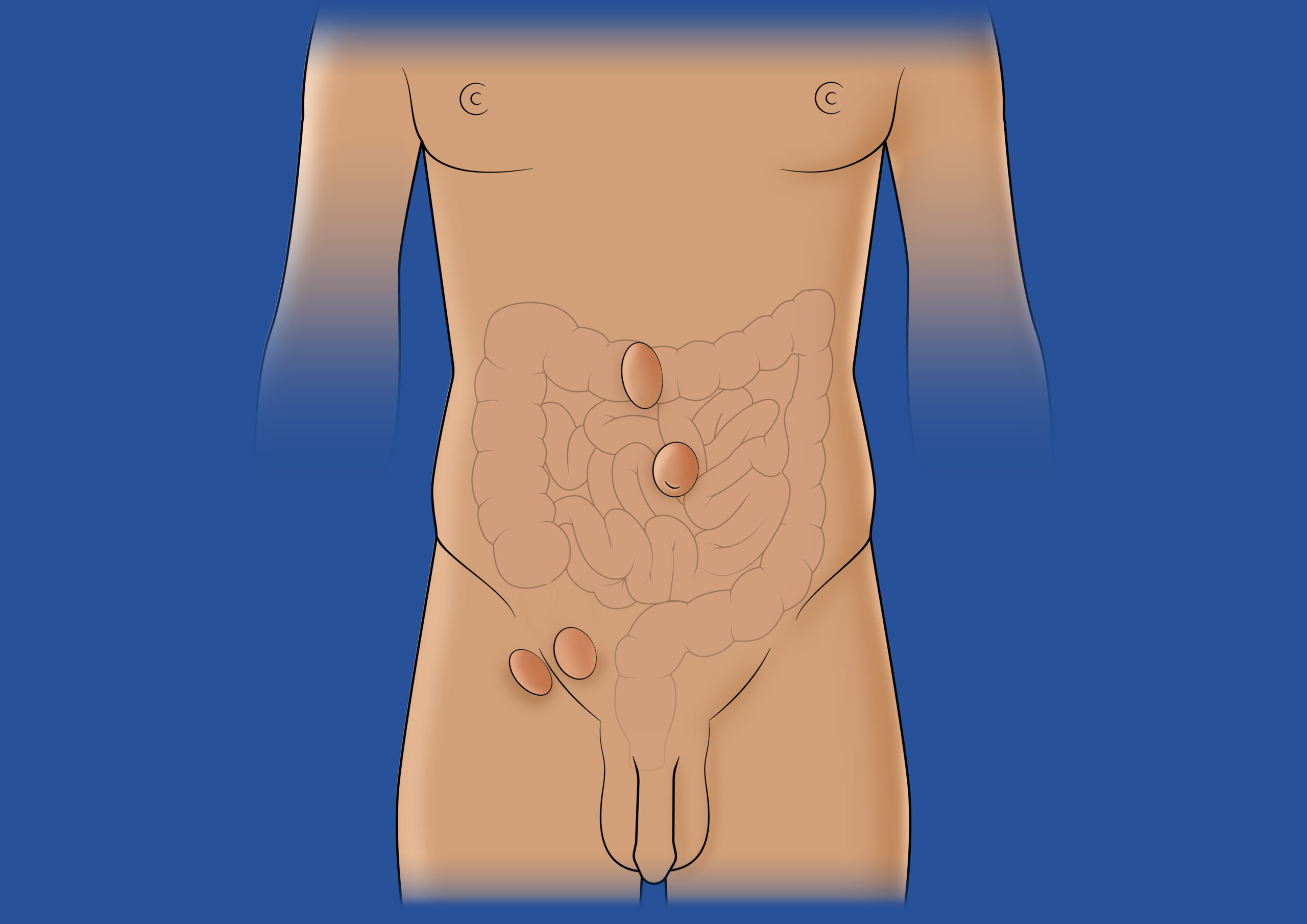
Umbilical Hernia

In the case of an umbilical hernia, the connective tissue around the navel yields to the pressure of the organs, typically manifesting as a spherical protrusion. Umbilical hernias can often be present from birth but usually resolve spontaneously. In adults, however, umbilical hernia repair is frequently necessary.

For the surgical treatment of umbilical hernias, the methods listed below are available to me. All techniques aim to optimally repair the hernia using a synthetic mesh, minimize scarring, and thereby reduce postoperative pain.

  • Direktverschluss (Operationsdauer ca 45min)
    Ohne Netzeverstärkung bei <1cm im Durchmesser großen Defekten
  • Preperitoneal Umbilical Mesh Plasty – PUMP or Robotically-Assisted Ventral TAPP (Operating time approx. 60 min)
    The PUMP technique is employed for hernias smaller than 1 cm. In this procedure, the synthetic mesh is placed with a 2-3 cm overlap beyond the defect, positioned between the peritoneum and the abdominal wall. This approach prevents complications such as adhesions to abdominal organs.
  • (e)MILOS or Robotically-Assisted TARUP or rTEP Technique (Operating time from 120 min)
    For larger umbilical hernias, the endoscopically-assisted MILOS or the robotically-assisted TARUP or TEP method is utilized. The synthetic mesh is positioned beneath the abdominal musculature. The operation is performed laparoscopically or robotically-assisted using the DaVinci Xi System.
  • Intraperitoneal Onlay Mesh – Robotically-Assisted IPOM Plus (Operating time approx. 120 min)
    The (r)IPOM plus technique is a robotically-assisted procedure where the hernia defect is closed and a synthetic mesh is sutured to the peritoneum.
Umbilical Hernia Repair Vienna

Image with Text

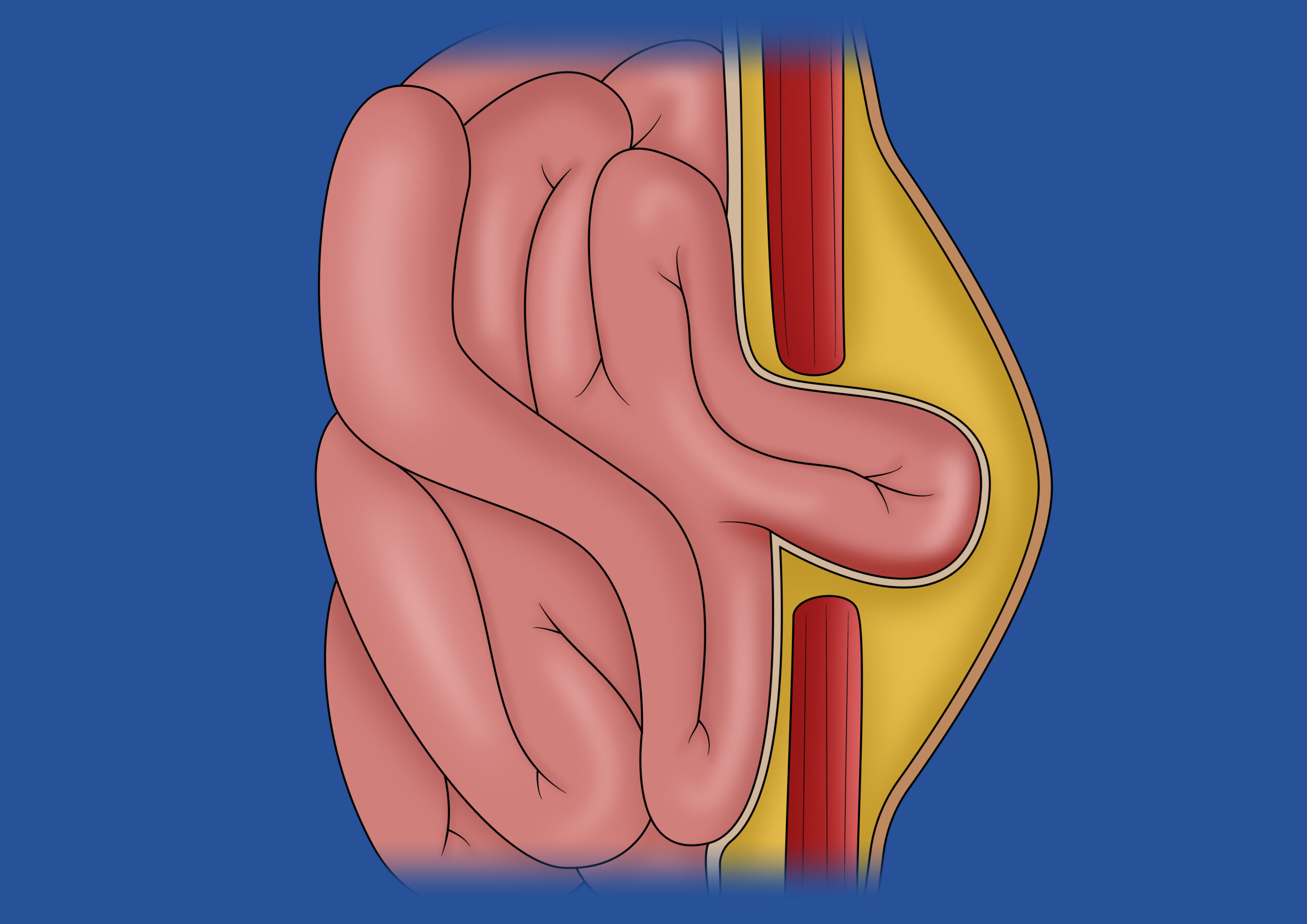
Incisional Hernia

An incisional hernia is a common late complication of abdominal surgical procedures, contingent upon the type of primary intervention, postoperative complications, and the method of abdominal wall closure. The incidence of incisional hernias following laparotomies ranges from 10-20%.

  • Chemical Component Separation with Botulinum Toxin (Botox)
    Incisional hernias exceeding 10 cm in diameter typically cannot be closed directly without tension. To facilitate abdominal wall closure and enhance muscle extensibility in such cases, Botox is preoperatively injected into the lateral musculature. Botulinum toxin is a neurotoxic agent that induces temporary muscle relaxation for 2-5 months. The maximum effect is achieved 3 to 4 weeks post-infiltration.
  • Sublay Technique according to Rives – Stoppa (Operating time approx. 180 min)
    In the Sublay technique, the synthetic mesh is inserted beneath the musculature through a skin incision.
  • (e)MILOS or Robotically-Assisted TARUP or (r)TEP Technique (Operating time from 120 min)
    For larger incisional hernias, the endoscopically-assisted MILOS or the robotically-assisted TARUP or TEP method is utilized. The synthetic mesh is positioned beneath the abdominal musculature. The operation is performed laparoscopically or robotically-assisted using the DaVinci Xi System.
  • Posterior Component Separation – (r)TAR Technique according to Novitzky (Operating time approx. 270 min)
    In posterior component separation, the synthetic mesh is inserted, either via skin incision or robotically-assisted, extending well beyond the lateral abdominal musculature. The advantage of this surgical technique lies in tension reduction and expansion of the mesh placement area. In the (r)TAR procedure, the permanent synthetic mesh is positioned between the peritoneum, the rectus abdominis muscle, and the transversus abdominis muscle. The extended dissection of the compartment allows for easier repositioning of the posterior rectus sheath, thereby enabling reconstruction of the midline (Linea Alba).
Umbilical Hernia Repair Vienna

Image with Text

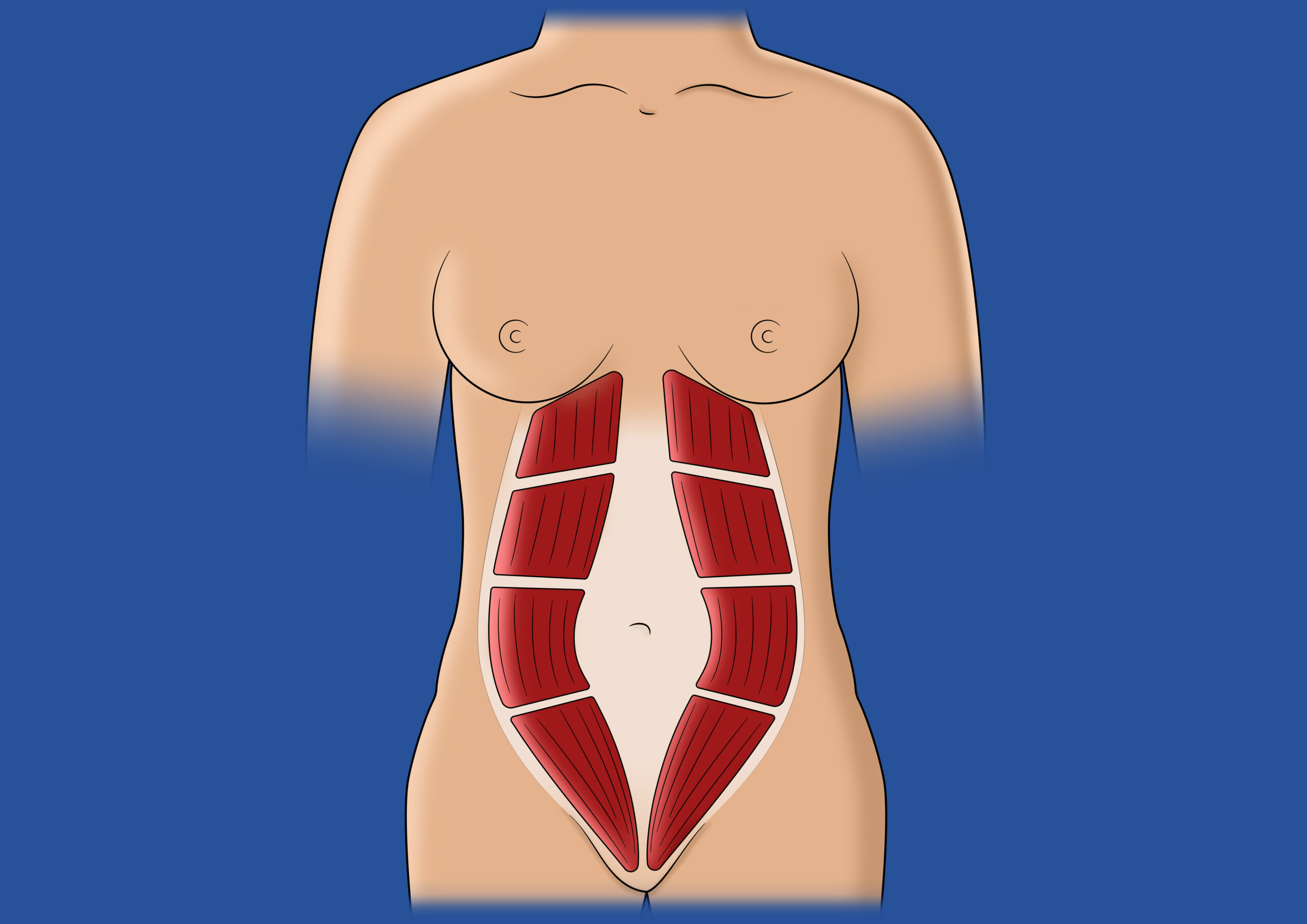
Diastasis Recti

Rectus diastasis refers to the separation of the rectus abdominis muscles and the associated thinning of the midline. It is an acquired abdominal wall weakness that can very frequently occur in conjunction with an abdominal wall or umbilical hernia.

The PeTEP technique (preperitoneal extended totally extraperitoneal) is a modern, minimally invasive method for treating rectus diastasis and small to medium-sized abdominal wall defects. The goal is to achieve anatomical reconstruction of the abdominal wall while minimizing the burden on the patient.

Access is achieved entirely through an extraperitoneal approach, which protects the peritoneum and prevents direct contact between the mesh and the internal organs. This reduces the risk of adhesions and allows for a stable, tension-free closure of the midline.

In my technique, I prefer to use a so-called “bottom-up” approach starting from the lower abdomen. The linea alba is reconstructed using the inverted Geneva stitch technique, which realigns the rectus abdominis muscles centrally and restores their proper functional alignment.

A particular advantage of this procedure lies in the cosmetic outcome: the incisions are made in the bikini line and are therefore barely visible afterward. This allows for not only functional restoration but also a highly aesthetically pleasing result.

Diastasis Recti Vienna
Back to Services Overview